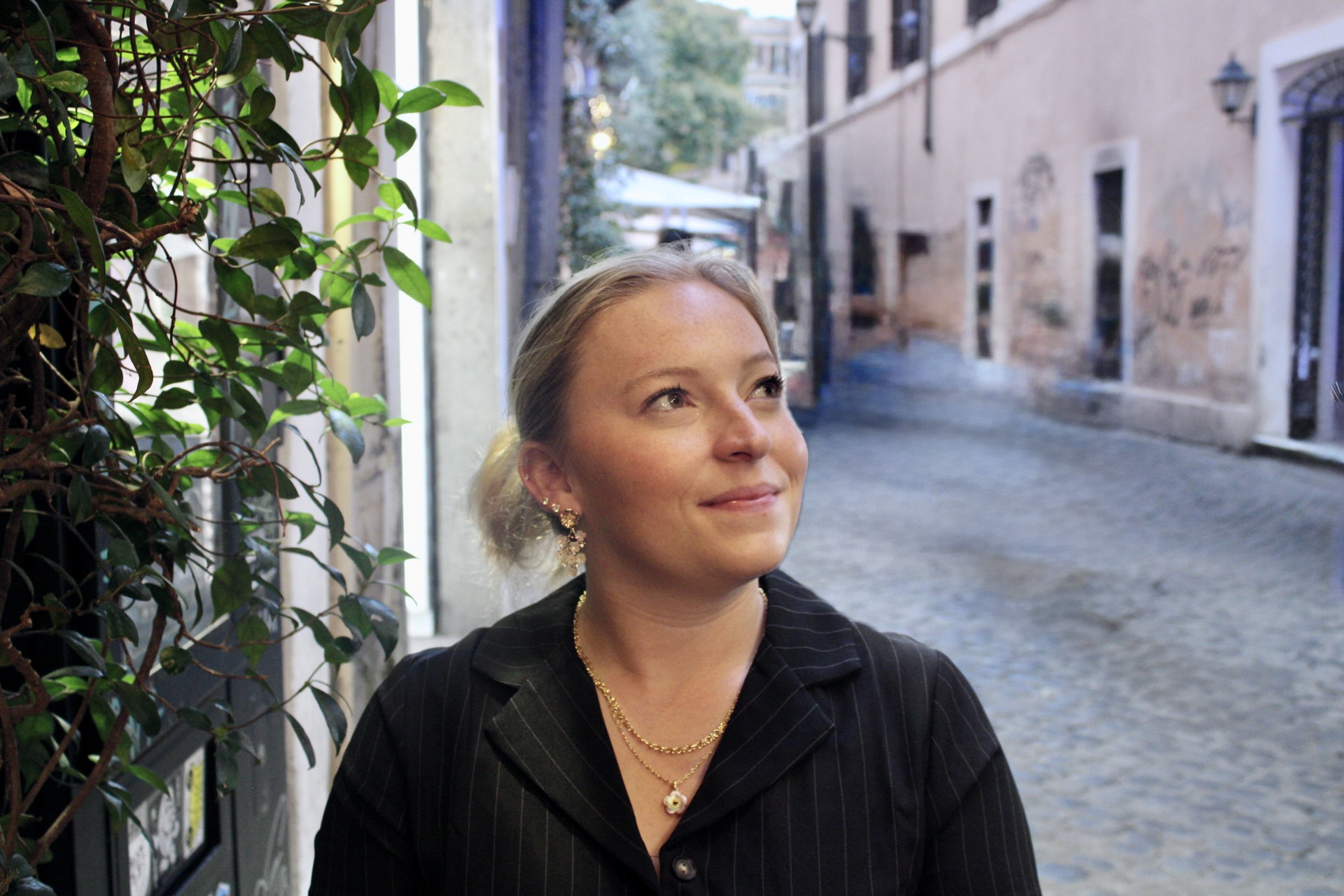
The best part about traveling to Italy is the slow walk down the cobblestone streets soaking in the architecture then stumbling upon a quaint little restaurant where the smell of pizza and pasta wafts through the air. This experience is my favorite when traveling to Europe, particularly Italy. Eating in Rome is an art so it is meant to be experienced not rushed.
Open yourself up to the opportunity to treat meals as sacred time and allow the breathing room to fully enjoy. Dining culture is a part of daily life in Rome, so engaging in meals with intentionality is an essential part of experiencing Italy to its fullest. This guide will walk you through all the information you need to dine like a true Roman.
Why Food Culture Matters in Rome
Meals Are About Experience, Not Efficiency
Meals are considered a social, intentional event not meant to be hurried. Dining is the experience, not a stop on the way to the next activity. This means pacing is slow and relaxed with the food rolling out in intentionally timed courses. Eating in Rome is all about being in the moment and not rushing through.
If there is one thing you take away from this article, it’s that do not rush a meal and do not expect Italians to rush your meal either. Open yourself up to taking it slow and enjoying your meal at a relaxed pace.
Dining Is Deeply Social
Not only are meals meant to be enjoyed slowly to better enjoy the food, but they are also intended to allow for robust conversations among the table. While traveling through Italy, I found the most interesting part of meals was people-watching locals who would gather and chat for hours over a meal. I encourage you to try this on your trip to Italy. As a type-A planner, I am well aware of how challenging it can be to put down the itinerary. However, I urge you to do just that. Don’t worry about what’s next, just focus on what is happening right now.
Passeggiata & Aperitivo
Aperitivo and the concept of passeggiata are two of my favorite aspects of Italian dining culture.
Aperitivo is a pre-dinner ritual in which you enjoy a drink and light snack to whet your appetite before dinner. An Aperol Spritz is a common drink for this occasion. My husband and I love this ritual and have actually introduced it into our routine when we can. When traveling, it’s a great opportunity to just sit down, relax, and recap the adventures of the day.
Passeggiata is a concept meaning to go on a leisurely walk or stroll around the city to aid digestion and to people watch. This is another great opportunity to slow down and truly immerse yourself in the atmosphere of Rome. Some of our best memories are these slow walks after dinner just enjoying each other’s presence and the beauty of the city.

Understanding the Structure of a Traditional Italian Meal
There are several courses in an Italian meal each with a different dish focus. It is important to note that there is no expectation that you order everything. In fact, most of the time ordering 2-3 of these is typical. The other great thing about this structure is you are not expected to order everything upfront. Ordering is casual and relaxed. When eating in Rome, on the occasion that we do order multiple courses at once, the restaurant paces them perfectly according to your eating pace. You’ll never be in a situation where you have 3 courses on your table.
Here is a little bit of info about each course:
Antipasti
Antipasti is similar to an appetizer and it is essentially a starter before the meal. These are usually charcuterie-type items.
Primi
Primi is the first dish of the meal and usually consists of pasta or risotto.
Secondi
Secondi is the second dish of the meal and is typically a meat dish.
Contorni
Contori are side dishes typically served with Secondi and are vegetables or salad.
Dolci & Coffee
A dessert and coffee is a common way to wrap up a meal in Italy.
Roman Foods You Should Try at Least Once
One of Rome’s specialities in the culinary scene is making dishes that are super simple, yet unparalleled in delectable taste. Rome is a foodie city and it is easy to find amazing food wherever you go. However, these are a few dishes that Rome is known for, which also happen to be some of my favorites.
Cacio e Pepe
Literally meaning cheese and pepper, this pasta dish is one of the best you will eat in Rome. Any good, local Italian restaurant will likely have this on the menu, so be sure to look out for this dish for any restaurant you choose.
Carbonara
This is another spectacular pasta dish that is thoroughly simple and delicious. It is a light, creamy pasta, yet it is made with no cream. The pasta is tossed in cheese, guanciale, cheese, eggs, black pepper, and pasta water.
Amatriciana
This pasta dish is composed of guanciale, cheese, and tomato tossed together to form a light red sauce that is absolutely delicious.
Pizza Romana
Pizza Romana is Roman-style pizza known for its thin, light crust. There are a variety of toppings that can be put on top of this pizza, but simple is always best. We found this to be the best lunch after a long morning of walking and sightseeing.
Gelato
This is the perfect dolci, or dessert, to enjoy in the afternoon while walking from one activity to the next or to wrap up a long day of sightseeing.
What Tourists Often Get Wrong About Eating in Rome
I have alluded to a few things to know before dining in Italy, but this is my full guide for what I experienced when traveling to Italy. Eating in Rome like a local means meals are relaxed and intentional. But there are a few additional nuances to note before traveling to Rome.
Eating Too Early
Dinner takes place late in the evening, usually closer to 8:30 or even 9 p.m. Many restaurants open at 7 or 7:30, but even that is considered early to start dinner. You’ll notice that locals will arrive later in the evening. My recommendation is to fully embrace the Roman lifestyle by partaking in Aperitivo at 5 p.m., enjoying a leisurely stroll, then going to dinner at 8 or 8:30. I know this can be a bit challenging as a tourist when your day may start at 7 a.m. but I can promise from experience you won’t regret fully immersing yourself in Roman dining culture.
Eating too early also applies to lunch. Since meals are intended to be long and social, lunch can also be a 2 hour sojourn. Timing for lunch often starts in the early afternoon around 12:30 p.m. or so, so just keep that in mind as you move through your day.
Ordering Cappuccino After Meals
Cappuccinos are reserved for before 11 a.m. They are meant to be enjoyed with a pastry for breakfast, but are not acceptable for after lunch (or dinner). This is due to a belief that consuming heavy milk after a meal impedes digestion. While traveling in Rome, following the common rule of thumb that coffee with milk is before 11 a.m. then espresso and non-milk coffees are great for after 11 a.m.
Expecting Fast Service
I have covered this fairly extensively but it warrants a strong callout here. Service is slow. Not because servers aren’t paying attention, but because meals are meant to be enjoyed slowly. It would be considered rude for an Italian server to consistently check-in and see if you need anything. Meals are intended to be enjoyed slowly and intentionally. Therefore, the goal is not to turnover a table. The goal is for the diners to thoroughly enjoy their meal at a relaxed pace. I find this cultural phenomenon to be such a lovely change of pace. However, I totally understand where as a tourist at the end of a long day or in the middle of the day there can sometimes feel a need for urgency. Just remember to set aside familiar constructs and immerse yourself in the culture you are in.
Dining Near Major Tourist Attractions
The one thing that can ruin your dining experience in Rome is eating near tourist attractions. If you’re near a tourist attraction like the Colosseum or the Spanish Steps, just walk a few streets away and you will get past all the tourist traps and find more local spots.
Red Flags to Watch For
- Posters out front that have large images of menu items
- These places are 100% a tourist trap and will have mediocre food at higher prices
- Aggressive hosts trying to get you to come inside
- Local or authentic restaurants do not have a host out front urging you to come in
- Wide variety of items on the menu
- Local spots typically have a limited menu. Tourist spots are trying to appeal to everyone, so they typically have something for everyone. Avoid these spots as the food won’t be up to par,
- Outwardly offer menus in multiple languages
- Once again, tourist spots are trying to appeal to a wide variety of people. Therefore, they often advertise menus in multiple languages. These are tourist traps, so steer clear.
Roman Dining Etiquette Explained
How Tipping Works in Italy
Tipping is NOT required in Italy. Servers are paid a livable wage, so tipping is not integral to Italian dining culture. It can be appreciated if you leave a Euro or two or round up to the next whole Euro, but there is no need to.
Understanding Coperto
A service charge of a couple Euros added to the bill per person to cover linens, tableware, etc.
Water Service Charge
Water is not typically served with a meal, so if you want water you have to explicitly order it. The options are either still or sparkling and served in a bottle. The charge is usually pretty small – about a Euro or two.
Asking for the Check
A server will NEVER ask you if you are ready for your bill. When you are ready to pay, just flag down your waiter with eye contact or a small wave with your hand.
Reservations & Timing
I highly recommend researching and making reservations in advance, particularly for dinner. That being said, overly scheduling dinners can be overwhelming, so I would recommend picking a few restaurants you really want to try and make a reservation for 8 or 8:30 p.m. while still leaving yourself open to discovering places you stumble upon.
Is It Rude to Split the Bill?
It is not necessarily rude, but it is not typical. The custom is for one person to pay and for the bill to be split equally among friends.
How to Find Better Restaurants in Rome
My husband and I love food. In fact, it is often at the center of our trips because there is so much cultural value to glean from dining in any country. Not to mention, it is the yummiest activity you will have. This is especially true for Italy. During our trip, we have honed the ideal checklist for finding authentic, local restaurants.
What to Look for
We discussed above some of the red flags to watch for to avoid touristy restaurants. To find authentic dining spots, here are a few things to look for:
- Small menus
- Local spots have short menus with a limited number of items.
- Italian-speaking clientele
- An easy one- the people dining there are mostly speaking Italian.
- Seasonal dishes
- Authentic restaurants often have seasonal dishes that are offered.
- Handwritten menus
- Local establishments often have handwritten menus, usually on a chalkboard, that can change daily.
- Neighborhoods outside tourist centers
- There are a few neighborhoods in Rome explicitly known for being a foodie scene. Below are a few of note.
Neighborhoods in Rome Known for Great Food
Trastevere
This is where we enjoyed most of our dinners in Rome. It is just on the other side of the River Tiber from many of the main parts of Rome, so it is easily accessible. We loved every meal we had in this area, not to mention the relaxed energy perfect for engaging in Aperitivo and Passeggiata.
Our favorites:


Testaccio
Depending on where you are staying, these next two may take a little longer to get to but may be worth it to get outside the hustle and bustle of Rome’s city center. This area was traditionally working-class but has turned into a trendy, culinary mecca.
Prati
This is an area outside Vatican City and offers strong choices for trattorias and cafés. If you are staying near this area or want to branch out a bit from the city center, this may be a great option to get authentic food.
A Realistic Daily Eating Rhythm in Rome
We’ve walked through a lot of rules and tips and tricks. Let’s put this all together and walk through what your day in Italy may look like through dining experiences.
- Kick Off Your Day with An Espresso & Pastry
- Enjoy Morning Sightseeing
- Leisurely Lunch to Rest and Recap the Morning
- Afternoon Sightseeing (& Gelato stop)
- Indulge in Aperitivo
- Embrace an Evening Stroll
- Savor a Delicious Dinner
Tips for First-Time Visitors Eating in Rome
Overall, do not overcomplicate eating in Rome. Meals and food are meant to be ENJOYED! Slow and relaxed, never rushed. As a tourist, it can be so easy to pack your schedule with all the must-sees. Trust me, I have done the same thing. But all my travels have taught me that the joys are in the smaller moments.
- Many restaurants close between lunch and dinner.
- This is also a great way to identify a local spot because they will be open from 12-2:30 p.m. then close and reopen around 7 or 7:30 p.m.
- Embrace a slower pace
- It can be easy to jam pack your schedule with tour after tour, but try to leave breathing room for relaxation.
Final Thoughts: Slow Down and Enjoy the Experience
Dining culture in Italy is the main thing that I have carried back with me. Fully embracing the concept of relaxed, intentional meals is something that my husband and I try to incorporate each time we go out to dinner at home. It can often feel like meals are rushed experiences, while also expensive in the U.S. so we work to “force” this slower pace when we go out by ordering each item sequentially instead of all at once and taking our time.
Eating in Rome is best to be experienced as relaxed and as slowly as your schedule allows. There is so much to see in Rome that there can be a lot of pressure to hustle from one iconic spot to the next. I encourage you to weave meals in as part of one of those experiences and leaving the space to fully immerse yourself and enjoy.
Rome is a beautiful city with so much to experience, and a key part of that is the food and culture that surrounds it.
FAQs
- What time do Romans eat dinner?
- Typically around 8 or 8:30 p.m.
- Is tipping expected in Rome?
- No, tipping is not part of dining culture in italy.
- What should tourists avoid when eating in Rome?
- Tourists should avoid restaurants near touristy areas. Anywhere that is trying to pull you in is not a good choice.
- Is every meal long in Rome?
- For lunch or dinner, yes these are typically couple hour events. However, on busy days we like to pop into cafés or sandwich shops for lunch for a quick bite and save our longer dining experiences for dinner.
Related Articles: